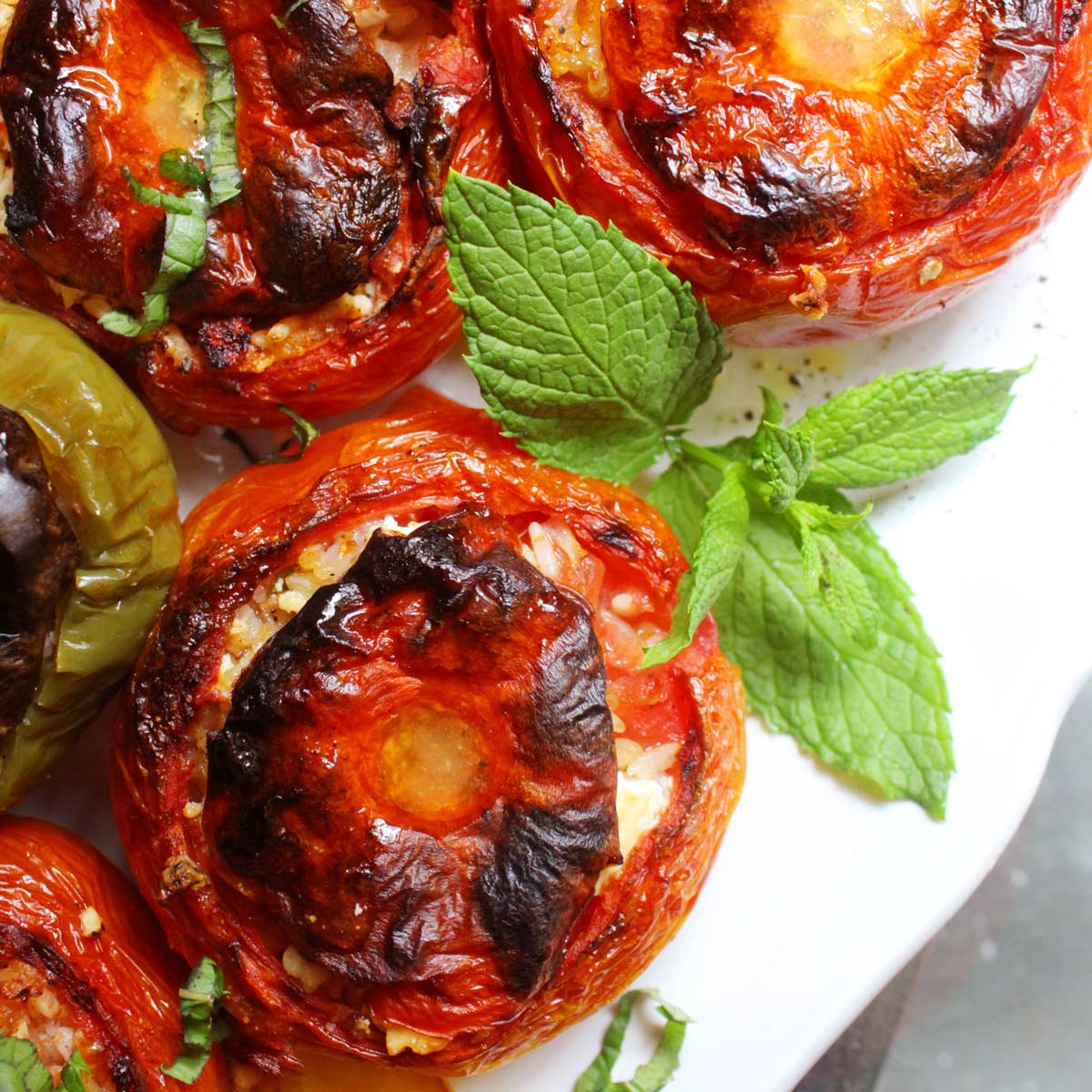
Unlocking the Secrets to Perfect Greek Yemista: Rice-Stuffed Vegetables
There are few dishes that encapsulate the warmth, generosity, and sun-drenched flavors of Greek cuisine quite like Yemista (or Gemista). This beloved staple, translating simply to "filled" or "stuffed," features a vibrant array of vegetables like tomatoes, bell peppers, zucchini, and sometimes eggplant, all lovingly hollowed out and filled with a savory mixture of rice, fresh herbs, and olive oil. Often baked to tender perfection, these masterpieces of Greek home cooking are a testament to simple ingredients yielding extraordinary results. If you’ve ever wondered how to achieve that ideal balance of fluffy, flavorful rice, tender vegetables, and a rich, aromatic sauce, you're in the right place. We're about to dive deep into the secrets that elevate good greek stuffed vegetables with rice gemista yemista to truly perfect status.
The Foundation of Flavor: Choosing and Preparing Your Vegetables
The journey to perfect Yemista begins long before you even think about the stuffing. It starts with the vegetables themselves. In Greece, Yemista is a seasonal delight, celebrating the bounty of summer. The quality of your produce will significantly impact the final taste and texture of your dish.
- Tomatoes: Opt for large, ripe, and firm tomatoes. Beefsteak or large heirloom varieties work wonderfully. They should be juicy and full of natural sweetness. The pulp you scoop out will form the base of your filling's liquid and flavor.
- Bell Peppers: Any color works, but green bell peppers offer a slightly more bitter, traditional flavor that contrasts beautifully with the sweet rice filling. Red, yellow, and orange peppers add sweetness and vibrant color. Choose firm peppers with smooth skin.
- Zucchini: Medium-sized zucchinis are ideal. They should be firm and relatively straight, making them easier to hollow.
- Eggplant: If using eggplant, select smaller, firmer ones. They tend to have fewer seeds and less bitterness.
Preparation is Key:
Once you've selected your produce, careful preparation is crucial. For tomatoes, bell peppers, and zucchini, you'll need to carefully remove the pulp without breaking the outer shell. A small spoon, a melon baller, or even a paring knife can be your best friend here. For bell peppers, simply slice off the top and remove the seeds and membranes. With zucchini, slice them in half lengthwise before scooping.
Pro Tip: Don't discard the scooped-out tomato flesh! This rich, flavorful pulp, along with its juices, is a vital ingredient for your rice filling. For zucchini and eggplant pulp, you can finely chop it and incorporate it into the rice mixture as well, adding another layer of vegetable goodness to your greek stuffed vegetables with rice gemista yemista.
Crafting the Irresistible Rice Filling: The Heart of Yemista
The rice filling is where the magic truly happens. It's a symphony of textures and aromas, designed to absorb all the delicious juices from the vegetables during baking. Getting this right is paramount.
- The Right Rice: This is non-negotiable. You need a medium-grain rice like Arborio (often used for risotto), Carolina, or a specific Greek glasse rice. These types of rice absorb moisture beautifully and become wonderfully tender and slightly creamy without being mushy. Avoid long-grain rice, which can dry out, or short-grain rice, which can become too sticky.
- Aromatic Foundation: Begin by sautéing finely chopped onions (red or yellow) in a generous amount of good quality extra virgin olive oil until translucent and sweet. Adding a touch of minced garlic at the very end of the sauté will infuse the oil with its pungent notes.
- Herb Power: Fresh herbs are the soul of Yemista. A generous blend of fresh parsley, dill, and mint is traditional and highly recommended. Chop them finely to release their essential oils. The mint provides a refreshing counterpoint to the richness of the other ingredients, while parsley and dill add classic Mediterranean flavors.
- Tomato Goodness: Remember that scooped-out tomato pulp? This is where it shines. Finely chop or pulse it in a food processor, then add it to the sautéed onions. Cook it down slightly to intensify the flavor. A tablespoon of tomato paste can further deepen the tomato base.
- Seasoning: Beyond salt and freshly ground black pepper, a pinch of sugar is a common Greek secret. It balances the acidity of the tomatoes and enhances their sweetness. Some also add a tiny pinch of cinnamon, particularly if using eggplant, for a subtle warmth.
- The Rice Technique: Briefly stir the rinsed rice into the tomato and onion mixture. This helps coat the grains and allows them to absorb some initial flavor before baking. Do not cook the rice fully; it will finish cooking inside the vegetables in the oven.
- Optional Additions: For a richer flavor, some recipes call for a small amount of vegetable broth instead of water, or a splash of white wine. You can also add finely diced potatoes to the bottom of the baking dish to soak up the juices – a very popular variation!
For more detailed guidance on specific ingredients and techniques for the perfect stuffing, you might find Master the Art of Greek Gemista: Stuffed Vegetables with Rice particularly helpful.
The Art of Stuffing and Baking for Golden Perfection
Once your irresistible rice filling is ready, it’s time for the assembly and the magic of the oven. These steps are crucial for ensuring your vegetables are tender, the rice is perfectly cooked, and the dish has that characteristic golden-brown top.
Stuffing Smartly:
This is where many first-time Yemista makers go wrong. Do not overfill your vegetables! Rice expands significantly during cooking. Leave about 1/2 to 3/4 inch of space from the top of each vegetable. Overfilling will result in uncooked or hard rice, or burst vegetables. Use a spoon to gently fill each vegetable, but don't pack it down tightly.
Arrangement and Liquid:
Arrange your stuffed vegetables snugly in a large baking dish. They should be close enough to support each other during baking but not so cramped that air can't circulate. Pour any remaining tomato pulp mixture, or a mixture of water and a generous amount of extra virgin olive oil, around the base of the vegetables in the pan. This liquid creates steam, helping the vegetables cook evenly and the rice to plump up perfectly. Crucially, don't let the liquid level exceed about halfway up the vegetables.
The Baking Process: Patience is a Virtue
Baking Yemista is a slow and gentle process, designed to coax out the maximum flavor and tenderness from every ingredient.
- Initial Covered Baking: Cover the baking dish tightly with aluminum foil. This traps the steam, ensuring the vegetables soften without drying out and the rice cooks thoroughly. Bake at a moderate temperature (around 180°C/350°F) for about 60-90 minutes, depending on the size of your vegetables.
- Uncovered Browning: After the initial covered baking, remove the foil. This allows the tops of the vegetables and the exposed rice to caramelize and achieve that beautiful golden-brown crust. Continue baking for another 30-45 minutes, or until the vegetables are very tender when pierced with a fork and the tops are nicely browned.
- Resting: Once out of the oven, resist the urge to dive in immediately! Let the Yemista rest for at least 20-30 minutes. This allows the flavors to meld further and the rice to settle, resulting in a more cohesive and delicious dish.
The careful control of moisture and heat during baking is what transforms humble greek stuffed vegetables with rice gemista yemista into a culinary masterpiece, perfectly tender inside and beautifully browned on top.
Beyond the Plate: Variations and Serving Suggestions
While the classic tomato and bell pepper Yemista is undeniably wonderful, the beauty of this dish lies in its versatility. There are many ways to customize your greek stuffed vegetables with rice gemista yemista to suit your taste or what's available seasonally.
Embrace Variations:
- Add Potatoes: A very common and highly recommended Greek tradition is to place peeled, quartered potatoes around the stuffed vegetables in the baking dish. They soak up all the delicious juices and become incredibly tender and flavorful.
- Feta Cheese: For an extra layer of salty tang, crumble some feta cheese directly into the rice filling before stuffing, or sprinkle it over the tops of the vegetables during the last 15 minutes of baking.
- Meat Option: While traditionally vegetarian (often called orphaná, meaning "orphaned" or plain), a meat-based Yemista is also popular. Simply add a small amount of sautéed ground beef or lamb to your rice filling for a heartier meal.
- Lemon Zest/Juice: A squeeze of fresh lemon juice or a sprinkle of zest before serving can brighten all the flavors.
Serving Perfection:
Yemista is one of those rare dishes that tastes equally magnificent warm, at room temperature, or even cold the next day. This makes it perfect for picnics, potlucks, or meal prepping.
- Serve it simply with a side of crusty bread to sop up all the flavorful juices at the bottom of the pan.
- A dollop of thick, plain Greek yogurt provides a creamy, tangy contrast.
- Pair with a simple green salad dressed with olive oil and red wine vinegar to cut through the richness.
- A sprinkle of fresh oregano or more chopped parsley just before serving enhances the aroma and visual appeal.
Whether you're looking for a delightful vegetarian meal or a hearty feast, Yemista adapts beautifully. For those interested in a lighter version, remember that authentic Greek cuisine is inherently healthy due to its reliance on fresh produce and olive oil. You can explore more on creating a nutritious meal with Healthy & Authentic Greek Stuffed Vegetables Gemista.
Conclusion: The Timeless Appeal of Yemista
Mastering Yemista is a rewarding culinary journey that connects you directly to the heart of Greek home cooking. By paying attention to the quality of your ingredients, understanding the nuances of the rice filling, and exercising patience during the baking process, you can achieve a dish that is both comforting and extraordinarily flavorful. These greek stuffed vegetables with rice gemista yemista are more than just a meal; they are an experience – a celebration of fresh produce, robust flavors, and the simple joy of sharing good food. So roll up your sleeves, embrace the process, and prepare to delight your senses with this timeless Mediterranean classic.
