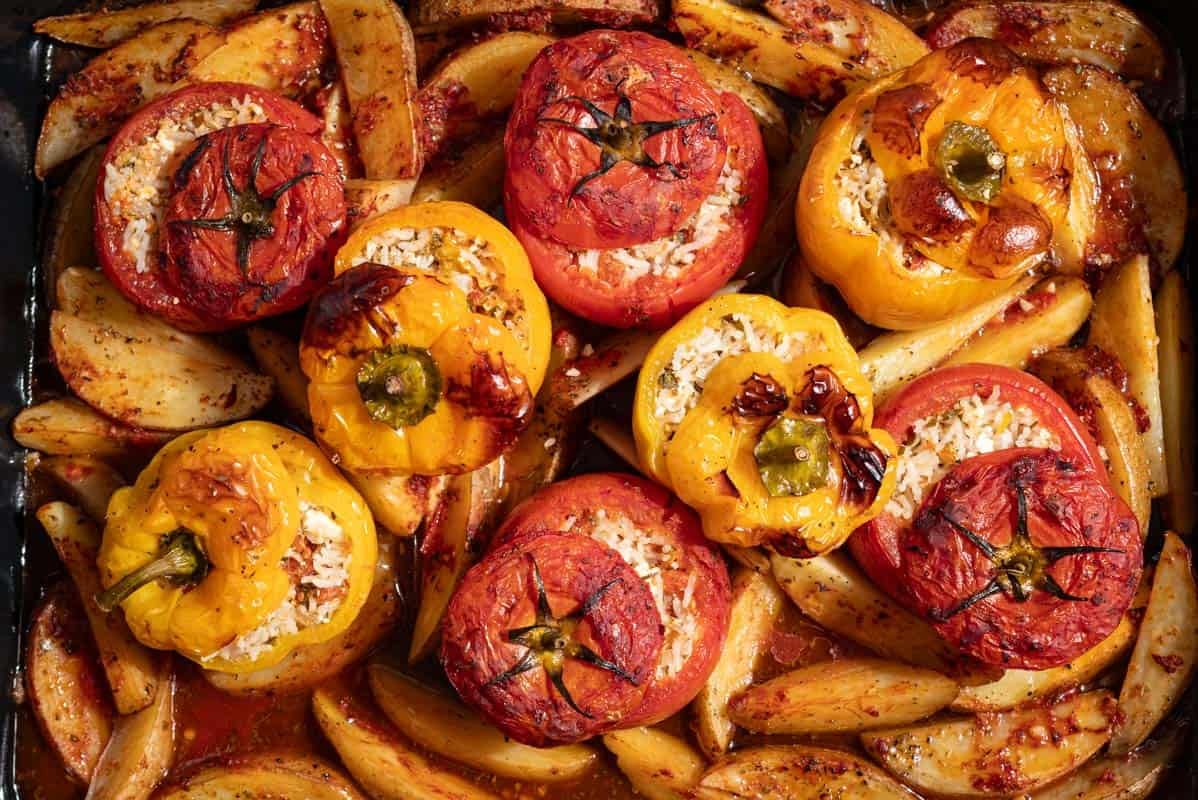
Healthy & Authentic Greek Stuffed Vegetables: A Gemista Feast for the Senses
Imagine a dish where vibrant, ripe vegetables cradle a savory, aromatic rice filling, slowly baked to golden perfection. This is the essence of
greek stuffed vegetables with rice gemista yemista, a culinary masterpiece that embodies the warmth, generosity, and fresh flavors of Mediterranean cuisine. More than just a meal, Gemista (also known as Yemista, meaning "filled" in Greek) is a beloved tradition, a staple on family tables across Greece, offering a wholesome and deeply satisfying experience. It's a dish that transforms simple, seasonal ingredients into an unforgettable symphony of tastes and textures, whether enjoyed warm from the oven or at room temperature on a sunny afternoon.
The Heart of Greek Comfort: What Makes Gemista So Special?
At its core, Gemista is a celebration of abundance and simplicity. Its appeal lies in its remarkable versatility and the way it elevates humble garden produce into something truly extraordinary. While the classic version focuses on rice, herbs, and tomatoes, variations abound, catering to different tastes and dietary preferences. It's naturally vegetarian and often vegan, making it an excellent choice for a wide range of diners.
What sets authentic Greek Gemista apart is the meticulous balance of flavors: the natural sweetness of ripe tomatoes and bell peppers, the earthy depth of eggplant and zucchini, and the invigorating freshness of copious herbs like mint, parsley, and dill. These elements are bound together by rich extra virgin olive oil, a cornerstone of Greek cooking, and slow baking that allows all the ingredients to meld into a harmonious, comforting dish. It's a meal that feels both nourishing and indulgent, light yet incredibly fulfilling.
A Culinary Canvas: Choosing Your Vegetables
The beauty of Gemista lies in its flexibility. While certain vegetables are traditional, you can adapt the recipe based on what's fresh and available.
*
Tomatoes: Often the star, ripe beefsteak or large heirloom tomatoes are ideal. Their natural juices contribute significantly to the baking liquid and the overall flavor.
*
Bell Peppers: Red, yellow, and orange peppers add vibrant color and a sweet, slightly smoky flavor when baked. Green peppers are also used for a more pungent note.
*
Zucchini: Medium-sized zucchinis, scooped out, provide a tender casing and mild flavor that absorbs the stuffing beautifully.
*
Eggplant: Japanese or Italian eggplants work well, lending a richer, more robust flavor. They require a bit more hollowing out.
*
Potatoes: Often peeled, cut into wedges, and baked alongside the stuffed vegetables, potatoes soak up the delicious juices and become incredibly tender and flavorful.
*
Onions: Large onions can also be stuffed, offering a wonderfully sweet and soft texture when baked.
When selecting your vegetables, look for firm, unblemished produce with a good weight for its size. Ensure they are large enough to hold a generous amount of filling. The freshness of these ingredients is paramount to the success of your
greek stuffed vegetables with rice gemista yemista.
Crafting the Perfect Filling: The Soul of Your Gemista
The heart and soul of any Gemista recipe lie in its filling. It’s here that the magic truly happens, transforming simple ingredients into a fragrant, savory mixture that will infuse your vegetables with incredible flavor. For a deep dive into mastering this essential component, you might want to read our detailed guide:
Master the Art of Greek Gemista: Stuffed Vegetables with Rice.
The Essential Ingredients for a Stellar Filling:
*
Rice: The choice of rice is crucial. While some prefer long-grain, many Greek cooks opt for medium-grain rice like Arborio or Carolina, which absorbs moisture well and achieves a creamy, tender consistency without becoming mushy. The rice is typically *not* cooked beforehand but added raw to the filling, allowing it to cook slowly in the vegetable juices and baking liquid.
*
Herbs, Herbs, Herbs! This is where Gemista truly shines. A generous combination of fresh mint, parsley, and dill is non-negotiable.
*
Mint: Provides a refreshing, bright counterpoint to the richness.
*
Parsley: Adds an earthy, robust freshness.
*
Dill: Contributes a distinctive, slightly anise-like aroma that is quintessential to Greek cuisine.
*
Aromatics: Finely chopped onions and minced garlic form the fragrant base, often sautéed gently to soften and sweeten before mixing with other ingredients.
*
Tomato Goodness: Fresh ripe tomatoes are used in multiple ways:
* The scooped-out pulp from the stuffed tomatoes is often chopped and added to the filling.
* A little tomato paste enhances the savory depth.
* Some recipes include grated fresh tomatoes or canned crushed tomatoes for extra moisture and flavor.
*
Extra Virgin Olive Oil: As with most Greek dishes, olive oil is not just a cooking fat but a flavor enhancer. A generous amount is used both in the filling and over the vegetables before baking, contributing to the dish's richness and golden crust.
*
Seasoning: Salt and freshly ground black pepper are essential. Some recipes might include a pinch of sugar to balance the acidity of the tomatoes.
Optional Additions and Regional Twists:
While the vegetarian version is classic, some variations of
greek stuffed vegetables with rice gemista yemista include:
*
Ground Meat: Lean ground beef or a mix of beef and pork can be added to the filling, often browned first with the onions. This creates a heartier, more substantial meal.
*
Pine Nuts and Raisins: In some regions, particularly in Northern Greece or for a more festive dish, a small amount of pine nuts and golden raisins can be added for a touch of sweetness and textural contrast.
The key to a successful filling is balancing these components so that the rice cooks perfectly, absorbing all the wonderful flavors without being either too dry or too soupy.
The Art of Stuffing and Baking
Once your vegetables are hollowed out and your filling is prepared, the assembly process begins. Carefully fill each vegetable, but do not pack the rice too tightly – remember, it needs room to expand! Place the "lids" back on the tomatoes and peppers, or simply arrange them enticingly in a large baking dish. Arrange the potato wedges around the stuffed vegetables.
Pour a mixture of water, olive oil, and sometimes tomato juice around the vegetables in the baking dish. This liquid will help cook the rice and prevent the vegetables from drying out. The dish is then baked slowly in a moderately hot oven for an hour and a half to two hours, or until the vegetables are tender, the rice is perfectly cooked, and a beautiful golden crust forms on top. This slow cooking process is vital, allowing all the flavors to deepen and meld into that signature Gemista taste.
Tips for Achieving Authentic Greek Gemista Every Time
Creating the perfect platter of
greek stuffed vegetables with rice gemista yemista is a rewarding culinary journey. With a few expert tips, you can elevate your dish from good to unforgettable. For an even more detailed breakdown of techniques and common pitfalls to avoid, be sure to check out our comprehensive guide:
Secrets to Perfect Greek Yemista: Rice-Stuffed Veggies.
*
Embrace Freshness: The quality of your ingredients is paramount. Use the ripest, most flavorful tomatoes, the freshest herbs, and a high-quality extra virgin olive oil. This is not a dish where you want to cut corners on produce.
*
Don't Be Shy with Herbs: Greek cuisine relies heavily on fresh herbs, and Gemista is no exception. Be generous with mint, parsley, and dill – they are the aromatic backbone of the dish.
*
Mind the Rice-to-Liquid Ratio: This is critical for perfectly cooked rice. The raw rice needs enough moisture from the vegetable juices and added liquid to cook through without becoming soggy or undercooked. A good rule of thumb is roughly 1 part rice to 2-2.5 parts liquid in total (including vegetable juices). Don't overstuff the vegetables; leave room for the rice to expand.
*
Patience is a Virtue: Gemista benefits from slow, gentle baking. Resist the urge to crank up the heat to speed things along. A lower temperature (around 180°C/350°F) allows the flavors to meld beautifully and the vegetables to become wonderfully tender without burning.
*
The Golden Crust: For that irresistible golden crust on top of your tomatoes and peppers, drizzle extra olive oil over them before baking and consider finishing the last 15-20 minutes of baking with the dish uncovered (or briefly under the broiler, carefully watching to prevent burning).
*
Let It Rest: Just like a perfectly roasted chicken, Gemista benefits from resting for at least 15-30 minutes after coming out of the oven. This allows the flavors to settle and the rice to fully absorb any remaining liquid, resulting in a more cohesive and flavorful dish.
*
Serving Suggestions: Gemista is delicious served warm, but many Greeks prefer it at room temperature, especially during the hotter months. Serve it simply with a slice of creamy feta cheese, a generous drizzle of fresh extra virgin olive oil, and crusty bread to soak up the glorious juices. A dollop of Greek yogurt or a side of tzatziki also makes a wonderful accompaniment.
Regional Variations and Cultural Significance
While the core concept of stuffed vegetables remains, Gemista showcases subtle regional differences throughout Greece. On some islands, you might find a hint of sweetness in the filling from raisins or a touch more sugar, reflecting Ottoman influences. Mainland versions might lean more towards incorporating ground meat, especially for special occasions. Regardless of the minor tweaks, the essence of a wholesome, herb-infused, slow-baked dish remains.
Culturally, Gemista is deeply ingrained in Greek life. It's a dish often prepared for large family gatherings, Sunday lunches, or celebratory feasts. Its vegetarian nature also makes it a popular choice during periods of fasting, like Great Lent. It symbolizes hospitality, the bounty of the land, and the joy of sharing good food with loved ones. Every Greek household often has its own cherished "secret" ingredient or technique, passed down through generations, making each plate of Gemista truly unique.
Conclusion
From the sun-drenched gardens of Greece to your dinner table,
greek stuffed vegetables with rice gemista yemista is more than just a recipe; it's an experience. It's a celebration of fresh, natural ingredients, slow cooking, and the rich culinary traditions of a vibrant culture. This dish offers a perfect blend of nourishing goodness and exquisite flavor, making it a healthy, satisfying, and utterly delicious choice for any meal. Whether you're a seasoned chef or a home cook eager to explore Mediterranean flavors, embarking on the journey of making authentic Gemista is a rewarding endeavor that promises a feast for the senses and a taste of true Greek hospitality. Don't hesitate to gather your ingredients and bring this healthy and authentic Greek gem into your kitchen.