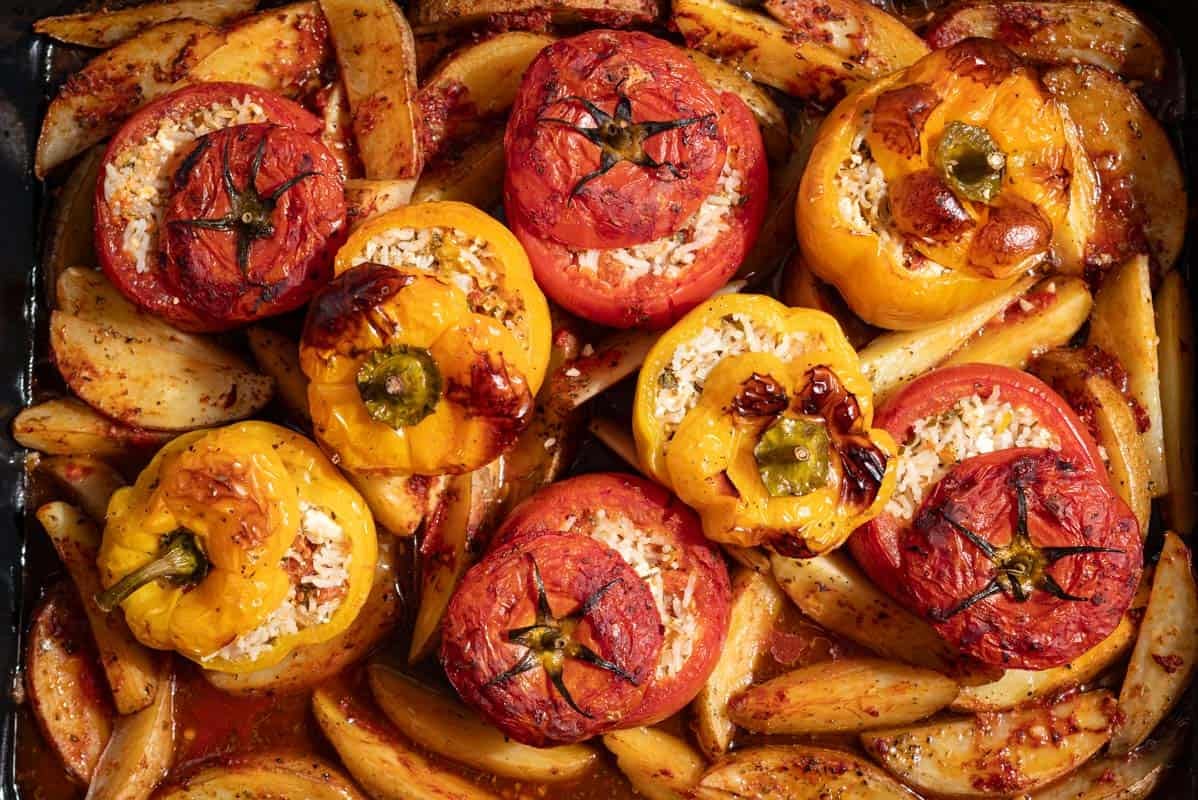
Imagine a dish that encapsulates the warmth of the Mediterranean sun, the richness of fertile Greek soil, and the comforting embrace of home cooking. That dish is undoubtedly Greek Gemista, a vibrant and wholesome meal of beautifully stuffed vegetables with rice. Also known as yemista, this beloved staple of Greek cuisine is more than just a recipe; it's an experience, a tradition, and a testament to the power of simple, fresh ingredients transformed into something extraordinary. Whether you're a seasoned chef or a curious home cook, mastering the art of Gemista promises a culinary reward that will delight your senses and nourish your soul.
What is Gemista? A Culinary Journey into Greek Comfort Food
At its heart, Gemista (γεμιστά, meaning "stuffed ones") is a celebration of seasonal produce. While its core concept remains constant – vegetables generously filled with a flavorful rice mixture – its variations are as diverse as the Greek landscape itself. The most classic rendition features ripe tomatoes, bell peppers (often green, red, or yellow), and sometimes zucchini or eggplant, all hollowed out and brimming with a delectable mixture of medium-grain rice, fresh herbs, onion, garlic, and a rich tomato base, all generously infused with extra virgin olive oil. It's a dish that embodies the Mediterranean diet: fresh, healthy, and bursting with natural flavors.
Historically, Gemista has been a quintessential summer dish, making the most of the abundant harvest of sun-ripened vegetables. It’s a common sight on family tables across Greece, often prepared in large batches to be enjoyed warm or at room temperature, making it ideal for picnics, potlucks, or leisurely lunches. While traditionally vegetarian, some regional variations may include minced meat in the filling, though the purely Healthy & Authentic Greek Stuffed Vegetables Gemista version remains a favorite for its lightness and vibrant taste. The beauty of this dish lies in its simplicity, relying on the quality of its ingredients and the slow, gentle baking process to meld flavors into a harmonious masterpiece.
The Essential Ingredients for Authentic Greek Gemista
Creating truly outstanding greek stuffed vegetables with rice gemista yemista begins with selecting the finest ingredients. Each component plays a vital role in achieving that authentic, unforgettable taste:
- The Vegetables: Choose firm, ripe, and vibrantly colored vegetables.
- Tomatoes: Large, round, and juicy are ideal for stuffing. Their pulp forms the liquid base for the rice.
- Bell Peppers: Any color works, but green bell peppers offer a classic slightly bitter contrast to the sweet rice filling.
- Zucchini & Eggplant: Medium-sized, firm zucchini and slender eggplants can also be used, adding their unique textures and flavors.
- Potatoes: Often peeled, quartered, and nestled among the stuffed vegetables in the baking dish, they absorb the delicious juices and become incredibly tender and flavorful.
- The Rice: Medium-grain rice is preferred for Gemista. It absorbs moisture beautifully and becomes wonderfully plump and tender without becoming mushy. Arborio rice (risotto rice) can be a good substitute if Greek medium-grain rice isn't available.
- The Herbs: This is where Gemista truly shines. A generous mix of fresh herbs is non-negotiable.
- Mint: Essential for its refreshing aroma.
- Parsley: Provides a fresh, clean counterpoint.
- Dill: Adds a unique, slightly anise-like flavor that is distinctly Greek.
- Aromatics: Finely chopped onion and garlic form the aromatic foundation, sautéed gently to release their sweetness.
- Olive Oil: Use high-quality extra virgin olive oil generously. It's not just a cooking fat but a fundamental flavor component of this Greek dish.
- Tomato Base: The pulp from the hollowed-out tomatoes, often supplemented with a little tomato paste or strained passata, provides the essential tomato sweetness and liquid for the rice to cook in.
Remember, the fresher your ingredients, the more incredible your Gemista will taste. This focus on fresh produce is what makes it so naturally healthy and delicious.
Step-by-Step Guide: Crafting Your Perfect Greek Stuffed Vegetables with Rice
While the process of making Gemista might seem intricate, it's actually quite straightforward and incredibly rewarding. Here's a detailed guide to help you master this classic:
1. Prepare Your Vegetables
- Wash and thoroughly dry all your chosen vegetables.
- For tomatoes and bell peppers: Carefully slice off the top (the cap) and set aside. Using a spoon or a small knife, scoop out the flesh and seeds, leaving a sturdy shell. Place the scooped-out pulp in a bowl, reserving it for the filling.
- For zucchini and eggplant: Cut them in half lengthwise. Scoop out the flesh, leaving a border around the edges. Chop the scooped-out flesh finely and add it to the tomato pulp.
- Arrange the hollowed-out vegetables in a large baking dish, ready for stuffing. If using potatoes, peel and quarter them, then place them around the vegetables in the dish.
2. Make the Flavorful Filling
- In a large pan, heat a generous amount of extra virgin olive oil over medium heat.
- Add finely chopped onion and sauté until softened and translucent, about 5-7 minutes.
- Stir in minced garlic and cook for another minute until fragrant.
- Add the chopped vegetable pulp (from tomatoes, zucchini, eggplant) to the pan. Cook, stirring occasionally, until most of the liquid has evaporated and the pulp has softened significantly.
- Stir in the uncooked medium-grain rice, coating it thoroughly with the oil and vegetable mixture.
- Remove from heat. Add the chopped fresh herbs (mint, parsley, dill), a good splash of olive oil, salt, and black pepper. Some recipes also add a pinch of sugar to balance the tomato acidity. Mix everything well.
3. Stuff and Bake
- Carefully spoon the rice filling into each hollowed-out vegetable. Remember not to overfill, as the rice will expand significantly during cooking. Fill them about three-quarters of the way full.
- Place the reserved vegetable caps back on top of the stuffed tomatoes and peppers.
- In a separate bowl, mix some extra tomato juice or passata with a little water, a generous amount of olive oil, salt, and pepper. Pour this liquid into the bottom of the baking dish, ensuring there's enough liquid to cover the potatoes and come about halfway up the sides of the stuffed vegetables. This liquid is crucial for cooking the rice and keeping the vegetables moist.
- Drizzle a little extra olive oil over the top of each stuffed vegetable for added richness and flavor.
- Bake in a preheated oven at around 180°C (350°F) for approximately 1 to 1.5 hours, or until the vegetables are tender, and the rice is fully cooked and has absorbed all the liquid. The exact cooking time can vary based on your oven and the size of your vegetables.
For more detailed insights into perfecting your baking technique and achieving that ideal rice consistency, you might want to explore Secrets to Perfect Greek Yemista: Rice-Stuffed Veggies.
Tips for Perfection: Elevating Your Gemista Game
While the basic steps are simple, a few expert tips can truly transform your greek stuffed vegetables with rice gemista yemista into an unforgettable culinary experience:
- Don't Overfill: This is perhaps the most crucial tip. Rice expands a lot! Leave enough room in your vegetables (about 1/4 of the space) for the rice to absorb liquid and puff up. Overfilling will result in hard, undercooked rice.
- Embrace the Olive Oil: Greek cuisine relies heavily on high-quality extra virgin olive oil, and Gemista is no exception. Be generous with it, both in the filling and drizzled over the top before baking. It contributes immensely to the flavor and texture.
- The Power of Herbs: Don't skimp on fresh herbs. Mint, parsley, and dill are key to the authentic Gemista flavor profile. Taste and adjust.
- The Potato Factor: Adding potatoes to the baking dish is a game-changer. They soak up all the flavorful juices and olive oil, becoming incredibly tender and delicious, often rivaling the stuffed vegetables themselves.
- Rest is Best: Like many baked dishes, Gemista benefits from resting for at least 15-30 minutes after coming out of the oven. This allows the flavors to meld further and the rice to settle. It's often even better the next day!
- Taste the Filling (Before Rice): Before adding the rice, taste your vegetable pulp and herb mixture. Adjust salt, pepper, and even a pinch of sugar if your tomatoes are too acidic.
- Cover or Uncover? For the first 45 minutes to an hour of baking, some cooks prefer to cover the dish loosely with foil to help steam the vegetables and cook the rice. For the last 30 minutes, remove the foil to allow the tops to brown slightly. This helps achieve that perfect balance of tender vegetables and slightly crispy tops.
These nuanced details are part of the Secrets to Perfect Greek Yemista: Rice-Stuffed Veggies that make all the difference.
Variations and Serving Suggestions: Beyond the Classic Gemista
While the classic vegetarian Gemista is universally loved, the beauty of this dish lies in its adaptability. You can experiment with different vegetables and additions to suit your taste:
Variations:
- Meat-Filled Gemista: For a heartier version, many Greeks add a small amount of minced beef or lamb to the rice filling. The meat is usually browned with the onions before adding the vegetable pulp and rice.
- Cheese Additions: A sprinkle of crumbled feta cheese can be added to the filling for a salty, tangy kick, or even grated graviera or kefalotyri cheese can be mixed in.
- Different Grains: While rice is traditional, some contemporary versions experiment with bulgur or even quinoa for a different texture and nutritional profile.
- Mixed Vegetables: Don't limit yourself to just tomatoes and peppers. A medley of zucchini, eggplant, onions, and even large mushrooms can be wonderful.
Serving Suggestions:
- The Perfect Accompaniment: Gemista is often served simply, allowing its flavors to shine. A dollop of thick Greek yogurt or tzatziki can provide a cool, creamy contrast.
- Fresh Bread: Crusty bread is essential for soaking up the delicious, olive oil-infused juices at the bottom of the pan.
- Simple Salad: A fresh green salad with a light vinaigrette or a classic Greek salad (χωριάτικη σαλάτα) complements the rich flavors of Gemista beautifully.
- Lemon Wedges: A squeeze of fresh lemon juice just before serving can brighten the flavors and add a zesty finish.
Gemista is a versatile dish that can be enjoyed as a main course, a substantial side, or even as part of a meze spread. Its flavors deepen over time, making leftovers (if you're lucky enough to have them!) an absolute delight.
Mastering the art of Greek Gemista is a rewarding culinary journey that connects you with the heart of Greek cuisine. This dish, with its vibrant colors, fresh aromas, and comforting textures, truly embodies the essence of Mediterranean cooking. Whether you call them gemista or yemista, these flavorful stuffed vegetables with rice are more than just a meal; they are an invitation to savor the simple pleasures of life, shared around a table with loved ones. So gather your fresh ingredients, embrace the process, and prepare to delight in one of Greece's most cherished culinary treasures.
